
Home › Commercial Waste FAQ › How is waste turned into energy?
How is waste turned into energy?
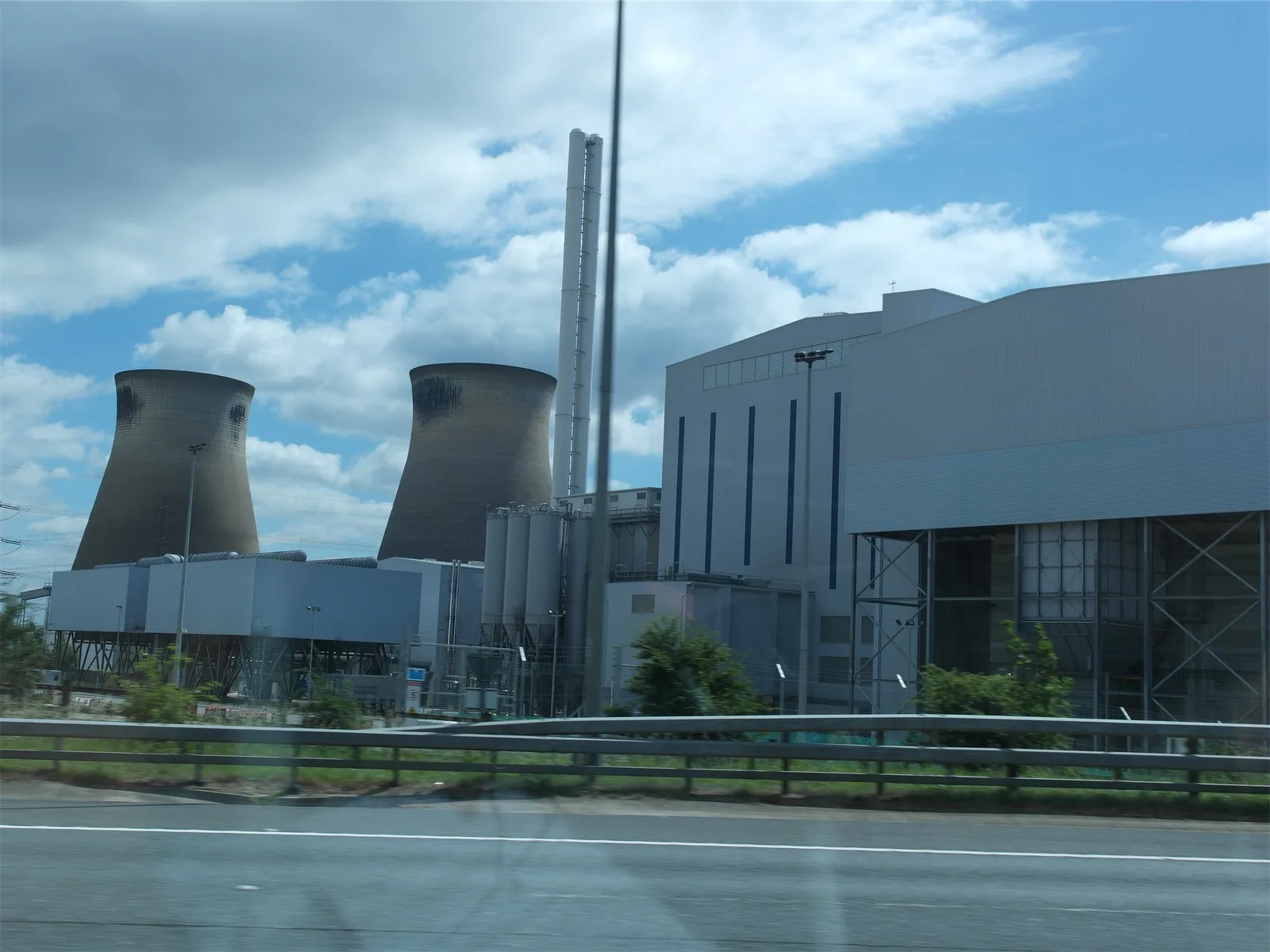
Waste is turned into energy by burning it. At an energy-from-waste plant, general waste that cannot be recycled is fed into a furnace and burned at high temperature. The heat boils water into steam, the steam drives a turbine, and the turbine generates electricity; some pipe the heat to nearby buildings. The flue gases are cleaned before they leave the chimney, and the ash left behind is processed into aggregate for road building, with the metals recycled. It sits below recycling in the waste hierarchy but above landfill, which is why most of London's general waste now goes this way rather than into the ground. General waste we collect goes to a licensed disposal partner for energy recovery.
Part of the Commercial Waste FAQ, covering Commercial Waste Collection.
Full explanation: Energy from Waste
Get a quoteOther questions
- How do you dispose of WEEE?
- What is classed as hazardous waste?
- What is the fine for fly-tipping?
- What is classed as commercial waste?
- What are POPs regulations?
- How do I get rid of commercial garden waste?
- Can I take commercial waste to the tip?
- What is trade waste?
- Why is it called fly-tipping?
- What is the landfill tax rate per tonne?
- Do businesses have to pay for waste collection?
- What to do if someone fly-tips on your land?
- How do I get rid of trade waste?
- How is commercial waste disposed of?
- Is food waste collection a legal requirement for businesses?
- What is controlled waste?
- Do I need a licence to remove rubbish?
- Is it illegal to dump rubbish on your own land?
- Does the UK still use landfill?
- How do restaurants get rid of food waste?
- How do I dispose of confidential waste?
- How do I dispose of asbestos?
- What is clinical waste?
- How do I dispose of used cooking oil?
- How do I get rid of unwanted pallets?
- What are examples of non-hazardous waste?
- What is classed as food waste for collection?
- Does the UK incinerate waste?
- All questions