
Home › Commercial Waste FAQ › What is trade waste?
What is trade waste?
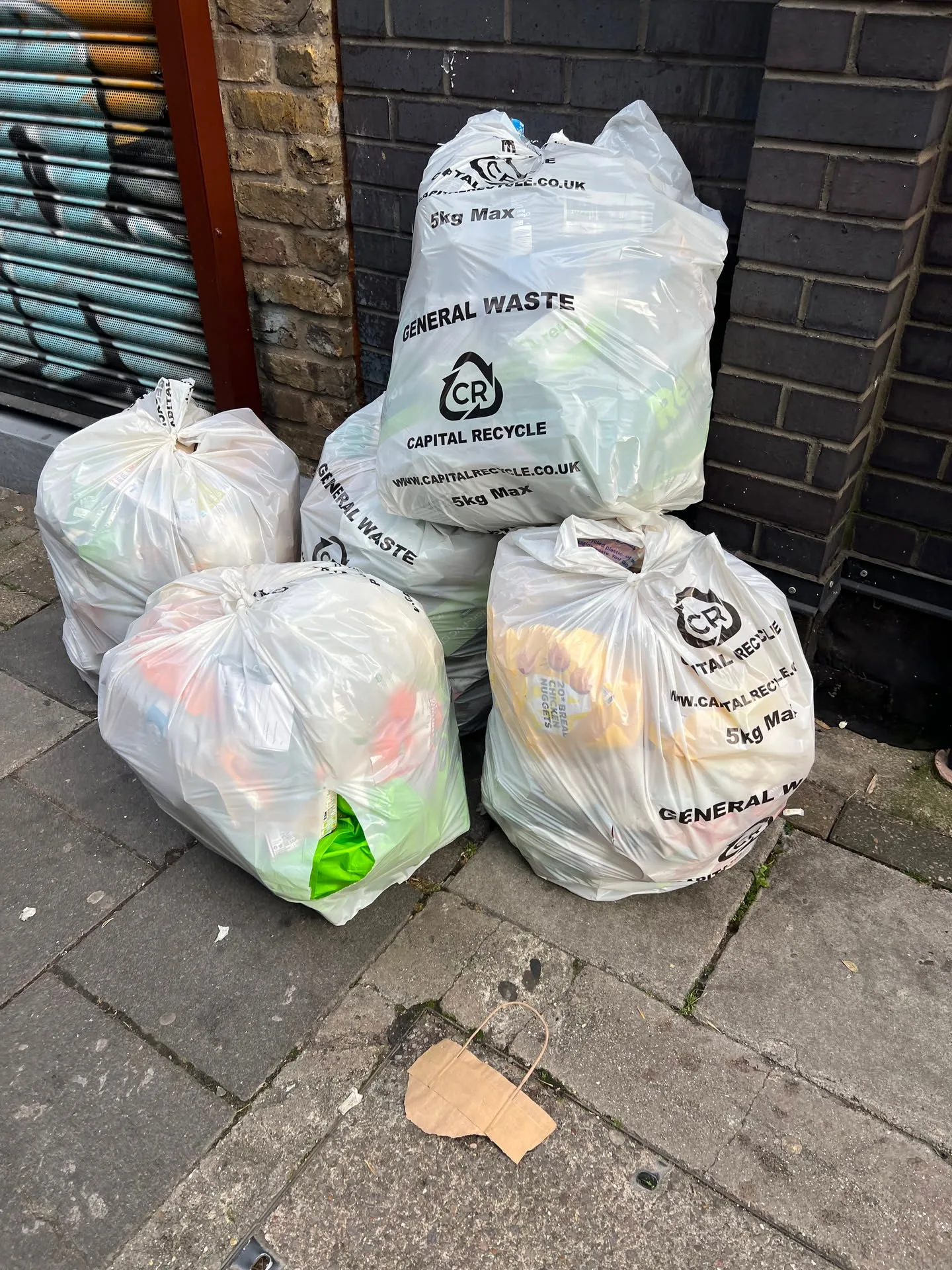
Trade waste is the everyday name for commercial waste: rubbish produced by a business on its premises. Councils use "trade waste" for their paid business collections, and the law uses "commercial waste", but they mean the same thing. It includes general waste, recycling, food waste, cardboard and packaging from shops, offices, restaurants, salons and sites. It does not include household waste, and waste from a manufacturing process is industrial waste. Whatever the name, the rules are the same: a business must use a registered waste carrier, get a waste transfer note for each load, and must not put trade waste in household bins.
Part of the Commercial Waste FAQ, covering Commercial Waste Collection.
Full explanation: Do I Legally Need a Commercial Waste Contract?
Get a quoteOther questions
- How do you dispose of WEEE?
- What is classed as hazardous waste?
- What is the fine for fly-tipping?
- What is classed as commercial waste?
- What are POPs regulations?
- How do I get rid of commercial garden waste?
- How is waste turned into energy?
- Can I take commercial waste to the tip?
- Why is it called fly-tipping?
- What is the landfill tax rate per tonne?
- Do businesses have to pay for waste collection?
- What to do if someone fly-tips on your land?
- How do I get rid of trade waste?
- How is commercial waste disposed of?
- Is food waste collection a legal requirement for businesses?
- What is controlled waste?
- Do I need a licence to remove rubbish?
- Is it illegal to dump rubbish on your own land?
- Does the UK still use landfill?
- How do restaurants get rid of food waste?
- How do I dispose of confidential waste?
- How do I dispose of asbestos?
- What is clinical waste?
- How do I dispose of used cooking oil?
- How do I get rid of unwanted pallets?
- What are examples of non-hazardous waste?
- What is classed as food waste for collection?
- Does the UK incinerate waste?
- All questions