
Home › Commercial Waste FAQ › What are examples of non-hazardous waste?
What are examples of non-hazardous waste?
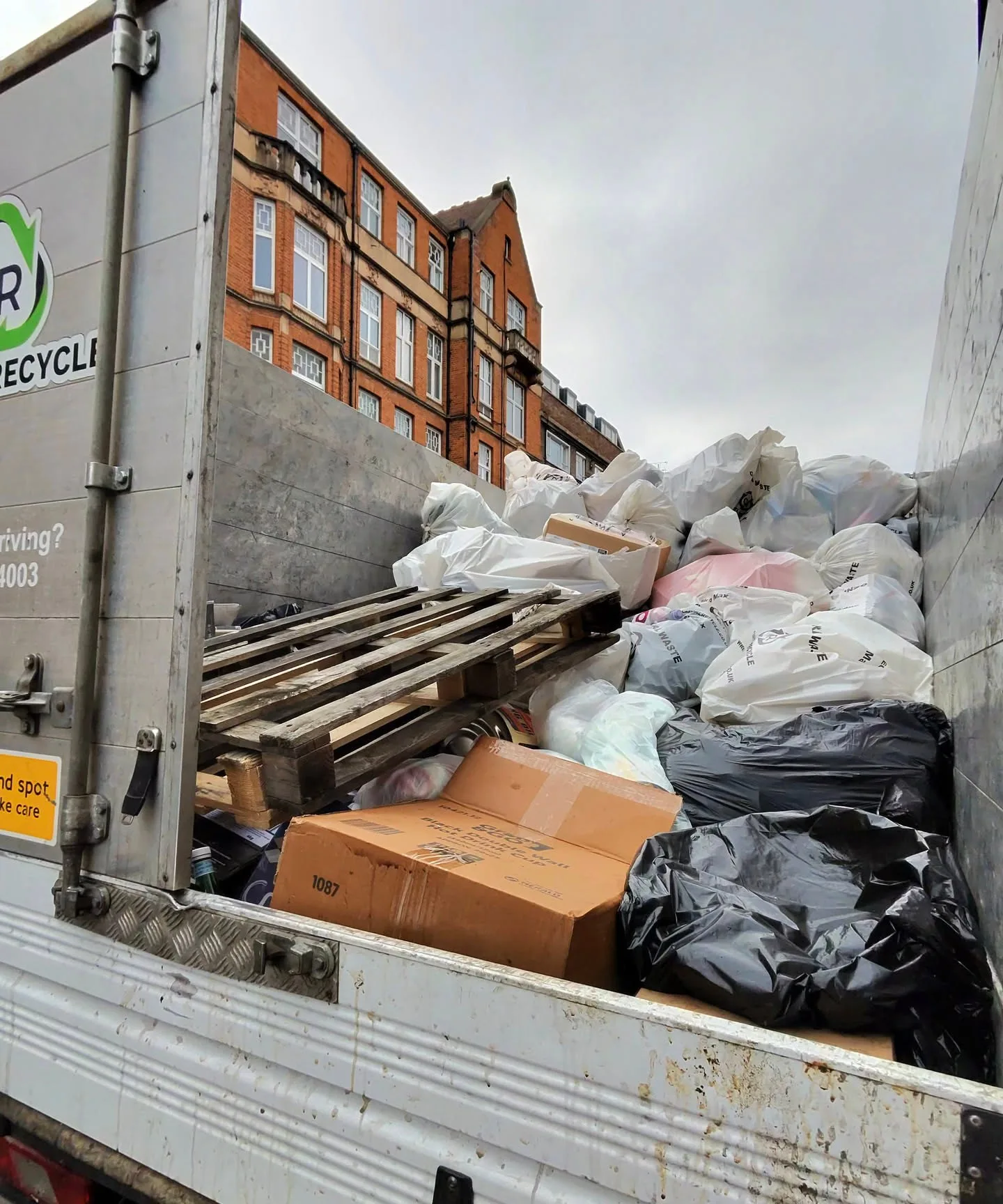
Examples of non-hazardous waste are almost everything a shop, office, restaurant or site throws away: general waste, cardboard, paper, plastic packaging, cans and tins, bottles and jars, food waste, garden waste, clean timber, pallets, bricks, concrete, soil, plasterboard, textiles, and most furniture. Non-hazardous means the waste has no property on the hazardous list, such as being flammable, toxic, corrosive or infectious, so it moves on an ordinary waste transfer note and goes to a standard transfer station, recycling plant, energy-from-waste site or landfill. It can still need separate handling: plasterboard, upholstered seating and electricals each have their own rules. In the List of Waste, non-hazardous entries have no asterisk.
Part of the Commercial Waste FAQ, covering Commercial Waste Collection.
Full explanation: What is classed as hazardous waste?
Get a quoteOther questions
- How do you dispose of WEEE?
- What is classed as hazardous waste?
- What is the fine for fly-tipping?
- What is classed as commercial waste?
- What are POPs regulations?
- How do I get rid of commercial garden waste?
- How is waste turned into energy?
- Can I take commercial waste to the tip?
- What is trade waste?
- Why is it called fly-tipping?
- What is the landfill tax rate per tonne?
- Do businesses have to pay for waste collection?
- What to do if someone fly-tips on your land?
- How do I get rid of trade waste?
- How is commercial waste disposed of?
- Is food waste collection a legal requirement for businesses?
- What is controlled waste?
- Do I need a licence to remove rubbish?
- Is it illegal to dump rubbish on your own land?
- Does the UK still use landfill?
- How do restaurants get rid of food waste?
- How do I dispose of confidential waste?
- How do I dispose of asbestos?
- What is clinical waste?
- How do I dispose of used cooking oil?
- How do I get rid of unwanted pallets?
- What is classed as food waste for collection?
- Does the UK incinerate waste?
- All questions