
Home › Commercial Waste FAQ › What is classed as commercial waste?
What is classed as commercial waste?
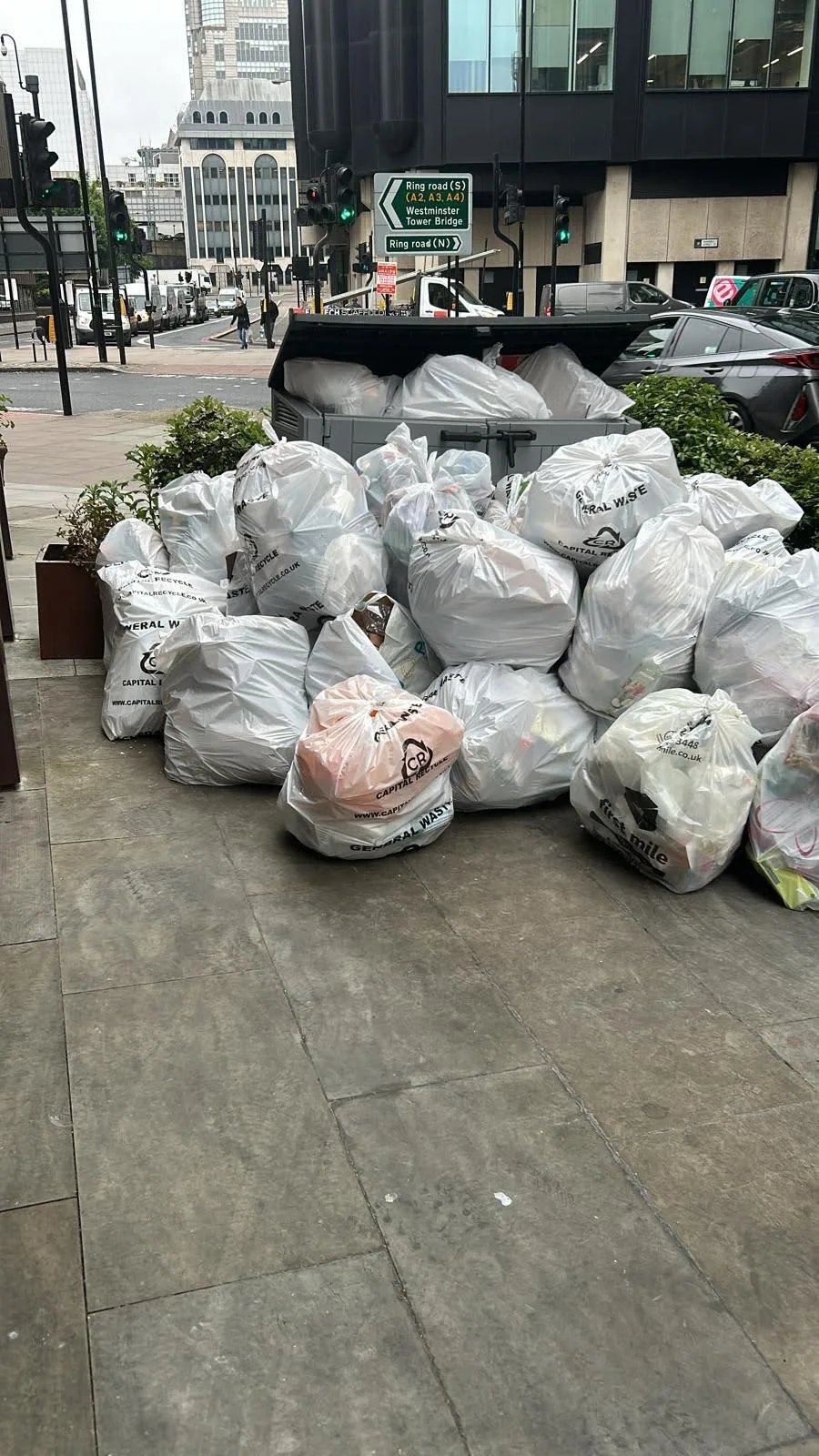
Commercial waste is any waste from premises used for a trade or business, or for sport, recreation or entertainment. That is the definition in section 75 of the Environmental Protection Act 1990. It covers the everyday rubbish of a shop, office, café, salon or warehouse: packaging, food waste, paper, cans, bottles, old stock and broken furniture. Waste from a factory or workshop process is classed separately as industrial waste, and a home's waste is household waste. The label matters because commercial waste carries the duty of care: a registered carrier, a waste transfer note for each load, and no use of household bins or household recycling centres.
Part of the Commercial Waste FAQ, covering Commercial Waste Collection.
Full explanation: Do I Legally Need a Commercial Waste Contract?
Get a quoteOther questions
- How do you dispose of WEEE?
- What is classed as hazardous waste?
- What is the fine for fly-tipping?
- What are POPs regulations?
- How do I get rid of commercial garden waste?
- How is waste turned into energy?
- Can I take commercial waste to the tip?
- What is trade waste?
- Why is it called fly-tipping?
- What is the landfill tax rate per tonne?
- Do businesses have to pay for waste collection?
- What to do if someone fly-tips on your land?
- How do I get rid of trade waste?
- How is commercial waste disposed of?
- Is food waste collection a legal requirement for businesses?
- What is controlled waste?
- Do I need a licence to remove rubbish?
- Is it illegal to dump rubbish on your own land?
- Does the UK still use landfill?
- How do restaurants get rid of food waste?
- How do I dispose of confidential waste?
- How do I dispose of asbestos?
- What is clinical waste?
- How do I dispose of used cooking oil?
- How do I get rid of unwanted pallets?
- What are examples of non-hazardous waste?
- What is classed as food waste for collection?
- Does the UK incinerate waste?
- All questions