
Home › Commercial Waste FAQ › What is controlled waste?
What is controlled waste?
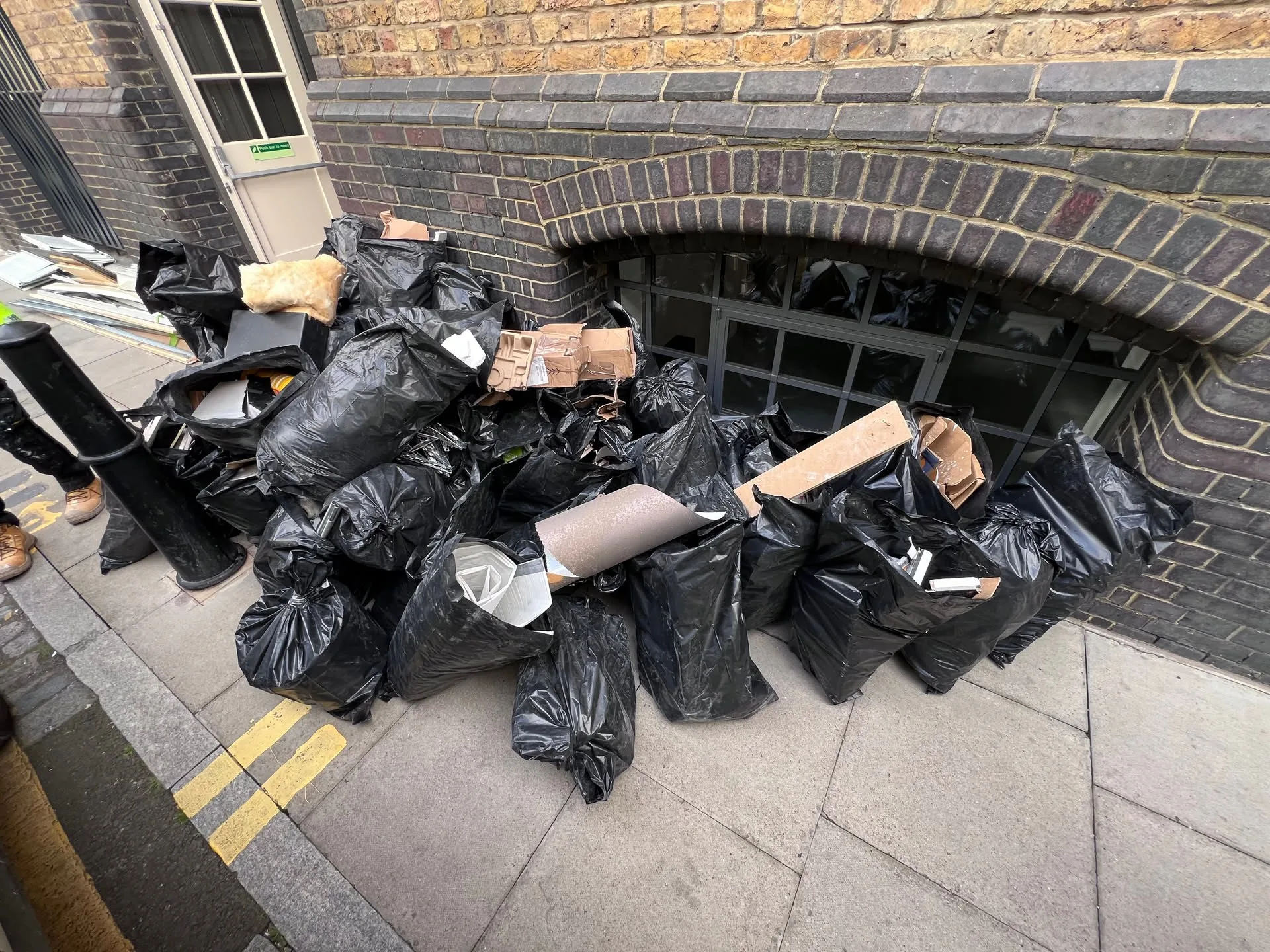
Controlled waste is the legal term for household, industrial and commercial waste together, from section 75 of the Environmental Protection Act 1990, and it is the waste the duty of care applies to. Examples: a home's black bin and recycling, a shop's packaging, an office's paper and food waste, a restaurant's bins, a builder's rubble and offcuts, a factory's process waste. What is not controlled waste: most agricultural waste on the farm it came from, mine and quarry waste, radioactive waste and sewage, which have rules of their own. If what you have is controlled waste, you need a registered carrier, a transfer note for each load, and a permitted site at the end of it.
Part of the Commercial Waste FAQ, covering Commercial Waste Collection.
Full explanation: Waste Transfer Notes and Your Duty of Care
Get a quoteOther questions
- How do you dispose of WEEE?
- What is classed as hazardous waste?
- What is the fine for fly-tipping?
- What is classed as commercial waste?
- What are POPs regulations?
- How do I get rid of commercial garden waste?
- How is waste turned into energy?
- Can I take commercial waste to the tip?
- What is trade waste?
- Why is it called fly-tipping?
- What is the landfill tax rate per tonne?
- Do businesses have to pay for waste collection?
- What to do if someone fly-tips on your land?
- How do I get rid of trade waste?
- How is commercial waste disposed of?
- Is food waste collection a legal requirement for businesses?
- Do I need a licence to remove rubbish?
- Is it illegal to dump rubbish on your own land?
- Does the UK still use landfill?
- How do restaurants get rid of food waste?
- How do I dispose of confidential waste?
- How do I dispose of asbestos?
- What is clinical waste?
- How do I dispose of used cooking oil?
- How do I get rid of unwanted pallets?
- What are examples of non-hazardous waste?
- What is classed as food waste for collection?
- Does the UK incinerate waste?
- All questions